Mangonie: A Bold Script Font for Crafters
When you are building a handmade business, the details define your brand. It is not just about the quality of the paper or the precision of your cut; it is about the voice your products speak to your customers. For years, I have searched for a typeface that balances personality with professionalism, something that feels personal but never messy. That is exactly what Mangonie brings to the table. As a bold, yet friendly script, this font has quickly become a staple in my design library for everything from boutique packaging to custom invitations.
The Personality Behind the Letters
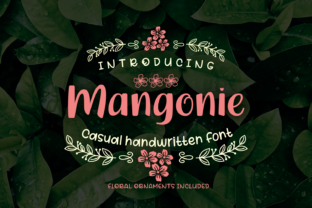
Mangonie stands out because it refuses to be generic. In the world of Script Amp and creative typography, many fonts lean too far into being overly decorative or difficult to read. Mangonie strikes a perfect middle ground. Its strokes are confident and thick, giving it a modern weight that commands attention on a label or a sign. Yet, the curves remain soft and approachable, maintaining a warm, handwritten charm that resonates with buyers looking for authentic, artisanal goods.
This visual personality makes it an excellent choice for establishing a strong brand identity. When a customer sees your product tag or social media graphic, they should instantly feel the vibe of your shop. Whether you are selling rustic farmhouse decor or sleek modern stationery, Mangonie adapts beautifully. It acts as a versatile display font that elevates simple phrases into memorable moments, adding a layer of sophistication without requiring complex design skills.
Practical Applications for Physical Products
The true test of any premium font is how it performs in real-world production. I have used Mangonie across a wide variety of physical products, and its versatility is impressive. For packaging design, particularly on candle jars, soap wrappers, and cosmetic bottles, the boldness of the letters ensures legibility even at smaller sizes. Unlike thinner scripts that can get lost in print resolution issues, Mangonie holds its shape, making it reliable for high-volume production runs.
- Boutique Tags and Labels: Use Mangonie for the main product name on hang tags. The friendly nature of the font adds a personal touch that mass-produced items lack.
- Greeting Cards and Invitations: Perfect for names and key dates on wedding stationery or birthday cards. It reads like a genuine note from a friend.
- Wall Art and Signs: When creating SVG-style designs for Cricut or Silhouette machines, Mangonie cuts cleanly. It works wonderfully for farmhouse signs, nursery art, and motivational quotes.
- Apparel and Tote Bags: Because of its stroke weight, it translates well onto fabric. Heat transfer vinyl (HTV) projects using this font result in durable, stylish text that doesn't crack easily.
I recently designed a line of holiday gift boxes where Mangonie was used for the "Merry & Bright" header. The contrast between the bold script and the matte finish of the box created a premium look that significantly increased sales during the season. This proves that the right creative font can directly impact perceived value.
Readability and Technical Considerations
While aesthetics are crucial, functionality cannot be ignored. One of the biggest challenges with script fonts is readability when scaled down. Mangonie excels here because its letterforms are distinct. However, there are still practical rules to follow for the best results.
For small stickers or tiny labels, keep your text short. Mangonie is ideal for headlines, names, and short phrases rather than paragraphs of body copy. If you need to include longer descriptions, pair it with a clean sans serif font for the fine print. When working with cutting machines, always check your node count. While Mangonie is optimized for smooth paths, extremely intricate ligatures might require slight adjustments depending on your machine's settings. Always do a test cut on scrap material before committing to expensive vinyl or cardstock.
Furthermore, consider the file formats included with your purchase. Ensuring you have access to OTF and TTF files allows you to work seamlessly across different design software, whether you are using Adobe Illustrator, Canva, or Silhouette Studio. Multilingual support is another feature worth noting if your customer base is global; checking for extended character sets ensures your designs are inclusive.
Mastering Font Pairing Strategies
To truly make your designs pop, understanding font pairing is essential. Mangonie is expressive enough to stand alone, but it shines brightest when paired with the right companion typeface. The goal is to create balance. Since Mangonie is a handwritten font with significant weight, it needs a partner that provides structure and breathability.
A classic combination is pairing Mangonie with a geometric sans serif font. The clean lines of a modern sans serif will ground the whimsy of the script, making the overall design look professional and curated. Alternatively, for a more traditional or elegant look, try pairing it with a simple serif font. This creates a timeless aesthetic often seen in high-end wedding invitations and luxury branding.
Here are three winning combinations to try:
- Mangonie + Minimalist Sans Serif: Ideal for modern logos, tech-related craft products, and clean social media graphics.
- Mangonie + Classic Serif: Perfect for wedding welcome boards, formal announcements, and vintage-inspired wall art.
- Mangonie + Monospace: A trendy, editorial look that works great for planner pages and digital printables.
Licensing and Commercial Use
As creators, we must always respect intellectual property. Mangonie is a commercial font, which means it is licensed for use in products you sell. This is a critical distinction for Etsy sellers and small shop owners. You can confidently use Mangonie on physical items like mugs, shirts, and printed signs, as well as in digital downloads such as templates, planners, and SVG bundles.
However, always review the specific End User License Agreement (EULA) provided by the creator. Generally, commercial licenses allow you to incorporate the font into your final product, but they typically prohibit redistributing the font file itself. This means you cannot sell the font file as part of a bundle; you must embed it into your design files or rasterize it. Understanding these boundaries protects your business and supports the independent designers who create these amazing design assets.
Elevating Your Brand with Mangonie
In a crowded marketplace, your typography is one of the few elements you can control completely. Mangonie offers a unique blend of boldness and warmth that helps your brand stand out. It bridges the gap between professional design and the heartfelt touch of handmade goods. Whether you are crafting a single custom invitation or launching a full line of merchandise, this typeface provides the consistency and charm needed to build customer loyalty.
By integrating Mangonie into your workflow, you are not just choosing a font; you are choosing a style that communicates care, quality, and creativity. From the first mockup preview to the final delivery of your product, let your words carry the same weight and warmth as your craftsmanship. With Mangonie, every project gets that charming twist that turns a simple item into a cherished keepsake.