Trinyta: A Cool Handwritten Font for Small Business Branding
Last Tuesday, I sat at my desk surrounded by half-empty coffee cups and a stack of printed product labels that just didn't feel right. The text was too stiff, too corporate, and completely missed the warm, handmade vibe of the candles I was selling. I knew the scent was perfect and the wax quality was top-tier, but the packaging looked like it belonged in a big-box store rather than a boutique shop. That is when I realized my biggest design flaw wasn't the color palette or the paper stock; it was the typeface. I needed something that felt personal yet polished, something that could bridge the gap between a quick note from a friend and a professional brand identity. That search led me to Trinyta, a font that has since become the secret weapon in my design toolkit.
Why Your Brand Needs a Personality-Driven Typeface
In the world of small business branding, typography does more than just convey information; it sets the emotional tone before a customer even reads a single word. When you are building a brand from the ground up, every asset matters. From your logo design to your social media graphics, consistency creates trust. For a long time, I struggled with finding a script font that didn't look messy or overly decorative. Many handwritten fonts can appear sloppy if they lack structure, while others feel so rigid that they lose their charm.
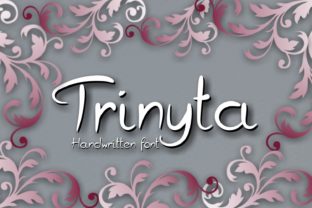
Trinyta struck the perfect balance. It is a fun and cool handwritten font with incredible style, designed to add a smart and cool feel to any design project. Unlike generic free fonts that often clutter the market, Trinyta feels like a premium font that respects the viewer's eye while maintaining a distinct character. When I first applied it to a test label for a lavender-scented candle jar, the difference was immediate. The letters flowed naturally, mimicking the stroke of a high-quality brush pen, yet they remained legible and structured. It transformed the label from a simple instruction sheet into an invitation to experience the brand.
Testing Trinyta on Real Business Materials
To truly understand the value of a new design asset, you have to put it through its paces in real-world scenarios. I decided to overhaul several key touchpoints in my business using Trinyta as the primary display font. First, I updated the thank-you cards included in every order. Previously, these were typed in a standard sans serif font. With Trinyta, the message "Thank you for supporting our small business" suddenly felt like a genuine signature from the owner. It added a layer of human connection that customers immediately noticed in their feedback.
Next, I moved on to packaging design. I created a mock-up for a bakery box, imagining how the font would look on a white kraft paper surface. The curves of Trinyta popped against the textured background, making the brand name stand out without shouting. It worked beautifully as a headline font, drawing attention to the product name while leaving room for smaller, functional details like ingredients and weight to be handled by a cleaner typeface. This is a crucial distinction: Trinyta shines as a display font for headlines, short phrases, logos, and packaging titles, but it is not intended for long paragraphs of body text.
I also tested the font on digital platforms. Updating my Instagram templates and online shop banners required a font that would remain readable on mobile screens. Trinyta held up remarkably well. Even when scaled down for a story highlight cover or a thumbnail image, the letterforms retained their integrity. This versatility is rare in the category of script fonts, where complex flourishes often get lost on smaller devices. Whether used for web design, social media graphics, or digital ads, the font maintained its cool aesthetic without sacrificing clarity.
Mastering Font Pairing for a Professional Look
One of the most common mistakes I see entrepreneurs make is trying to use a decorative font for everything. To achieve a polished, consistent look, you need a strategic approach to font pairing. Trinyta works best when paired with a clean, neutral typeface that lets it shine. For my rebranding project, I paired Trinyta with a modern sans serif font for all body copy, ingredient lists, and website navigation.
This combination created a visual hierarchy that guided the customer's eye effortlessly. The Trinyta font grabbed attention with its personality, acting as the "voice" of the brand, while the sans serif font provided the necessary readability for practical information. You can also experiment with pairing it with an elegant serif font for a more editorial design feel, particularly if you are creating menus for a café or flyers for a boutique event. The key is contrast; let the handwritten nature of Trinyta provide the warmth, and let a structured font provide the stability.
Practical Tips for Using Trinyta Effectively
- Use for Headlines Only: Reserve Trinyta for logos, product names, and taglines. Avoid using it for long blocks of text.
- Check Readability: Always test your design on a mobile screen before finalizing. Ensure the spacing (kerning) is tight enough to look intentional but loose enough to be read quickly.
- Leverage Alternates: If the font file includes alternate characters or ligatures, use them sparingly to add unique flair to specific letters in your logo design.
- Maintain Consistency: Use Trinyta across all customer-facing materials, from business cards to email signatures, to build a recognizable brand identity.
Technical Considerations for Commercial Use
As a creative consultant, I cannot stress enough the importance of understanding the licensing and technical specifications of the fonts you use. Before integrating Trinyta into your product line, ensure you have the appropriate commercial font license. Using a font for client work, merchandise, or products sold for profit requires a different agreement than personal use. Trinyta is available as a commercial font, which means once licensed, you can confidently use it on packaging, merchandise, templates, and digital downloads without legal worry.
Additionally, check the included file formats. Most modern design workflows require both OpenType (.otf) and TrueType (.ttf) files to ensure compatibility across different software, whether you are working in Adobe Illustrator, Canva, or other graphic design tools. Look for features like multilingual support if your business serves a diverse audience, and verify the range of weights and styles included. While Trinyta is primarily a display font, having access to different stylistic variations can help you create a cohesive suite of design assets that feel custom-made for your brand.
Typography is often the silent ambassador of your business. It speaks volumes about your attention to detail and your commitment to quality. By choosing a thoughtful typeface like Trinyta, you are not just picking a font; you are curating an experience. It helped my candle business transition from looking like a hobby project to feeling like a legitimate, trustworthy brand. Whether you are a baker updating your menu, a coach refreshing your website, or a crafter designing tags for your next craft fair, the right font can make all the difference. In the competitive landscape of small business, letting your brand speak with a voice that is both cool and smart is the ultimate advantage.